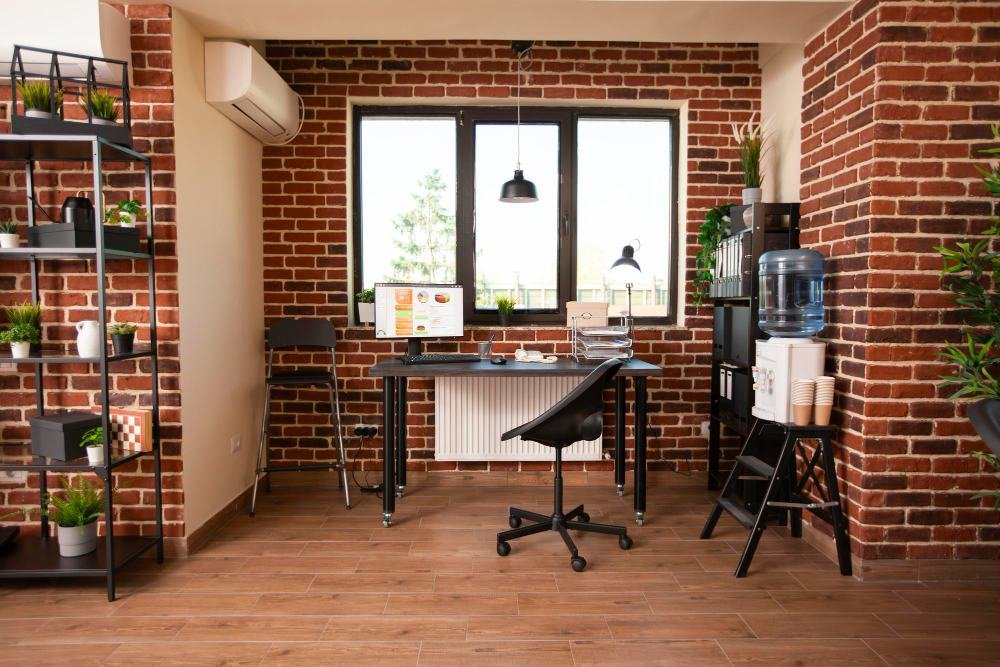
A small study room has one job: help you concentrate. But when light is harsh, privacy is compromised, or the space feels visually cluttered, focus is the first thing to go. Window treatments in a study room aren’t decorative extras — they’re functional design tools that directly affect productivity, comfort, and how long you can work without fatigue.
In compact study spaces, especially, the wrong window treatment can make the room feel chaotic or boxed in. The right one, however, quietly expands the space, softens light, and creates a calm visual backdrop that supports deep work.
Manage Daylight Carefully to Reduce Eye Strain
Natural light is one of the biggest assets in a study room, but it needs careful handling. Direct sunlight can cause glare on screens, uneven brightness across the desk, and constant shifts in light throughout the day—all of which strain the eyes and break concentration.
Designers favour window treatments that diffuse light rather than block it completely. Custom roman shades made with light-filtering fabrics, solar shades that cut glare while preserving outdoor visibility, or softly translucent roller shades allow daylight to enter in a controlled way. This creates a consistent, comfortable brightness that keeps the room alert without becoming distracting.
Keep the Visual Footprint of the Window Treatment Minimal
In a small study room, visual clutter is the enemy. Large, layered window treatments can quickly overwhelm limited wall space and make the room feel tighter than it actually is. This is why designers often keep treatments fitted close to the window frame.
Shades that sit neatly inside the recess or are mounted just above the window help maintain clean lines and visual order. When the treatment feels integrated rather than added on, the room feels calmer — and that sense of order has a real impact on mental clarity.
Choose Colours That Promote Calm and Concentration
The colour of your window treatment subtly influences how the study feels throughout the day. High-contrast colours, bold patterns, or overly dark tones can pull focus away from work and introduce unnecessary visual stimulation.
Designers usually recommend quiet, steady colours for small study rooms. Soft whites, warm greys, muted beiges, gentle greens, and light earthy tones create a neutral visual field that supports concentration. When the window treatment blends easily with the wall colour, the space feels larger and less interrupted.
Use Curtains as a Secondary, Softening Layer
Curtains are not essential in every small study, but when used thoughtfully, they can add comfort and warmth without overwhelming the room. Designers treat curtains here as a secondary layer — never the primary light-control solution.
Lightweight, floor-length custom curtains mounted higher than the window frame help elongate the room and soften hard edges. When paired with an inner shade, the curtains can remain open most of the time, acting as a gentle frame rather than a functional barrier. This approach keeps the room feeling balanced and visually composed.
Prioritise Privacy Without Making the Room Feel Closed
Many study rooms face streets, neighbouring buildings, or shared spaces within the home. Privacy matters — especially for focused work or video calls — but heavy, opaque treatments can make a small room feel sealed off.
Designers often turn to top-down/bottom-up shades or semi-sheer materials that provide privacy at eye level while allowing light in from above. This maintains a connection to daylight and sky without sacrificing comfort or focus.
Think About Screen Placement and Light Direction
Window treatments should be chosen in relation to where the desk and screen are positioned. In small study rooms, even minor light issues become noticeable. A window directly behind a screen causes glare, while one directly in front can create harsh contrast.
Adjustable treatments like roman shades or roller shades allow fine control throughout the day. Being able to raise or lower the shade incrementally makes a significant difference in how usable the room feels during long working hours.
Select Fabrics That Add Texture, Not Distraction
When a study room feels too stark, designers introduce texture instead of pattern. A softly woven fabric, a subtle slub, or a lightly textured shade adds warmth without creating visual noise.
Texture also helps soften acoustics, reducing echo in small rooms that often contain hard surfaces like desks, shelves, and screens. This contributes to a quieter, more comfortable working environment.
Choose Easy-to-Operate Systems for Daily Adjustments
A study room window treatment is adjusted frequently throughout the day. Complicated mechanisms or stiff hardware quickly become irritating distractions. Designers prioritise smooth, reliable operation — whether that’s a clean chain system, cordless control, or motorised options for added ease.
The easier it is to adjust the window treatment, the more likely it is to be used properly — and that consistency directly improves comfort and productivity.
Balance Practicality with Long-Term Maintenance
Small study rooms often double as storage spaces, which means dust and clutter can accumulate easily. Window treatments should be easy to clean and maintain, without requiring frequent fussing.
Designers lean toward fabrics and finishes that hold their shape, resist dust, and age well. A low-maintenance treatment keeps the room looking calm and orderly over time, rather than becoming another task on the to-do list.
Final Thoughts: Quiet Design That Works Hard
In a small study room, the best window treatments don’t announce themselves. They quietly regulate light, protect focus, and support the rhythm of the workday. By choosing streamlined designs, calm colours, and flexible light control, you create a workspace that feels larger, clearer, and more comfortable than its size suggests.
When window treatments are chosen with intention, a small study room stops feeling like a compromise — and starts feeling like a place where real work can happen.