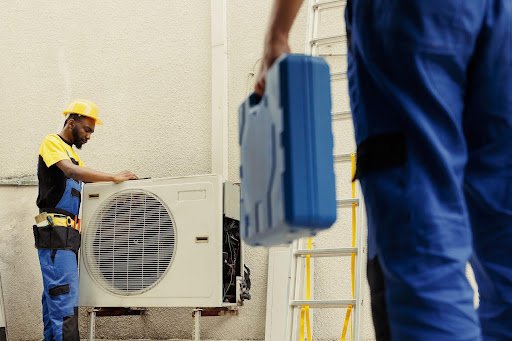
Replacing an HVAC system can be one of the most expensive home improvement costs a homeowner faces. In many cases, these replacements could have been avoided with proper care, timely attention, and informed decisions. HVAC systems are designed to last many years, but neglect, delayed repairs, and poor maintenance habits can significantly shorten their lifespan. By following smart preventive measures, homeowners can protect their investment and keep their systems running efficiently.
Below are five practical tips to help avoid costly HVAC replacements.
1. Schedule Regular HVAC Service Without Delays
Consistent HVAC service is the foundation of a long-lasting heating and cooling system. Routine servicing allows professionals to inspect critical components such as coils, motors, thermostats, and electrical connections. Small issues like loose wiring or dirty filters, if ignored, can strain the entire system and lead to premature failure.
Regular service ensures your system operates efficiently, maintains proper airflow, and avoids excessive wear that often results in early replacement.
2. Address Minor Issues With Timely HVAC Repair
One of the biggest mistakes homeowners make is postponing HVAC repair when minor problems arise. Unusual noises, uneven temperatures, weak airflow, or rising energy bills are early warning signs that should not be ignored. Prompt repair prevents small mechanical issues from escalating into major system failures.
Fixing a faulty component early is far more affordable than replacing an entire unit, making timely repairs a crucial step in extending system lifespan.
3. Replace Air Filters and Maintain Airflow
Dirty or clogged air filters restrict airflow, forcing the HVAC system to work harder than necessary. This added strain can damage motors, blowers, and compressors over time. Homeowners should replace filters regularly based on usage, household size, and indoor air quality needs.
Maintaining proper airflow reduces stress on the system, improves efficiency, and helps prevent overheating or frozen components that can lead to irreversible damage.
4. Avoid Overworking Your HVAC System
Running your HVAC system nonstop at extreme temperature settings can dramatically shorten its lifespan. Setting thermostats too low in summer or too high in winter forces the system to operate continuously. Using programmable or smart thermostats helps regulate temperatures efficiently, reducing unnecessary strain.
Allowing the system occasional rest periods prevents overheating, improves energy efficiency, and reduces the risk of component failure that could require full replacement.
5. Invest in Professional Inspections and Preventive Maintenance
Annual professional inspections play a vital role in identifying long-term risks. Technicians assess system performance, check refrigerant levels, and test safety controls. Preventive maintenance helps homeowners plan repairs before damage becomes severe.
These inspections also provide guidance on how to improve system performance and when component upgrades might be more practical than full replacement. Preventive care often adds years to an HVAC system’s operational life.
Conclusion
Avoiding costly HVAC replacements is possible with proactive care and informed decisions. Regular HVAC service, timely HVAC repair, proper airflow maintenance, mindful usage, and professional inspections all work together to protect your system. By addressing small issues early and maintaining consistent care, homeowners can extend the life of their HVAC systems, reduce unexpected expenses, and enjoy reliable comfort year after year.