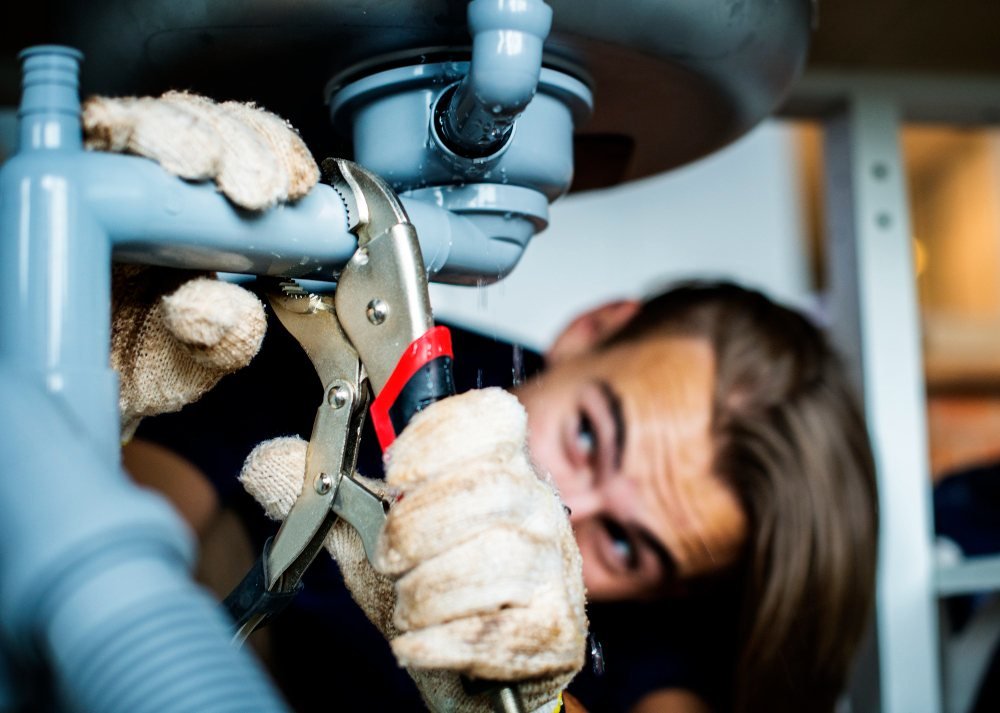
Low water pressure is a common frustration for many homeowners across Houston. Whether it is a weak shower stream, slow-filling sinks, or appliances that struggle to operate efficiently, poor water pressure can disrupt daily routines and signal deeper plumbing issues. In many cases, the root of the problem lies within aging or damaged pipes. Repiping Houston offers a long-term solution that not only restores water pressure but also improves the overall performance and reliability of a home’s plumbing system.
Understanding Water Pressure Problems In Houston Homes
Houston has a wide mix of older and newer neighborhoods, and many houses built decades ago still rely on original plumbing materials. Over time, pipes can corrode, narrow, or develop internal buildup that restricts water flow. While older copper lines may see mineral deposits as a result of Houston’s water composition, galvanized steel pipes are particularly vulnerable to corrosion. As these materials deteriorate, the diameter inside the pipe shrinks, limiting the amount of water that can pass through at once.
In addition to aging infrastructure, Houston’s climate plays a role. High humidity and shifting soil conditions can place stress on underground pipes, leading to subtle damage that reduces pressure throughout the house. These issues often develop slowly, making it easy for homeowners to adapt to declining pressure without realizing a more serious problem is forming.
How Old Pipes Restrict Water Flow?
Water pressure depends on unobstructed flow through the plumbing system. When pipes are new, water moves smoothly from the main supply to faucets and fixtures. Over time, rust, scale, and sediment accumulate along the inner walls of older pipes. This buildup acts like plaque in arteries, reducing flow and creating uneven pressure between different parts of the house.
Leaks also contribute to pressure loss. Even small pinhole leaks can divert water away from fixtures, especially when multiple outlets are in use. In some Houston homes, hidden leaks inside walls or under slabs slowly drain pressure without obvious signs until the issue becomes severe.
What Repiping Involves?
Repiping is the process of installing new plumbing materials throughout the house in place of old, degraded pipes. This can include supply lines running through walls, ceilings, and floors. Modern materials such as PEX or updated copper piping are designed to resist corrosion, mineral buildup, and temperature changes far better than older systems.
A professional repiping project begins with a full inspection of the existing plumbing. This allows plumbers to identify pressure bottlenecks, outdated materials, and areas of damage. Once replaced, the new pipes restore proper diameter and flow, allowing water to reach fixtures at the pressure originally intended.
Immediate Improvements In Water Pressure
One of the most noticeable benefits of repiping is the immediate improvement in water pressure. With clean, smooth interior pipe surfaces, water flows freely and consistently. Showers get stronger, sinks fill faster, and washers and dishwashers work better.
Homeowners often notice balanced pressure throughout the house after repiping. This means using multiple fixtures at the same time no longer causes dramatic pressure drops. For example, flushing a toilet while someone is showering no longer results in sudden temperature or pressure changes.
Long-Term Benefits Beyond Pressure
While improved water pressure is a major advantage, repiping offers additional long-term benefits for Houston homeowners. New pipes reduce the risk of future leaks, water damage, and costly emergency repairs. They also improve water quality by eliminating rust particles and metallic taste caused by corroded pipes.
Repiping can also increase property value. Buyers are often willing to pay more for homes with updated plumbing systems because it signals reliability and lower maintenance costs. For older Houston houses, repiping can be a key upgrade that brings the home in line with modern standards.
Signs Repiping May Be The Right Choice
Persistent low water pressure is a strong indicator that repiping should be considered, especially when paired with other warning signs. These include frequent leaks, discolored water, uneven pressure between fixtures, and plumbing repairs that seem to offer only temporary relief. If pressure problems return shortly after fixes, it often means the underlying pipe system is failing as a whole.
Homes that are several decades old and have never undergone plumbing upgrades are especially likely to benefit from repiping. In many cases, replacing sections of pipe is no longer enough to address widespread internal deterioration.
Why Repiping Is A Smart Investment In Houston?
Houston homeowners face unique plumbing challenges due to climate, soil conditions, and the age of many residential properties. Repiping addresses water pressure problems at their source instead of masking symptoms. By upgrading the entire system, homeowners gain consistent pressure, improved efficiency, and peace of mind knowing their plumbing is built to last.
While repiping is a larger project than minor repairs, the long-term savings and performance improvements often outweigh the initial investment. Strong water pressure enhances comfort, protects appliances, and supports everyday tasks without frustration.
Final Thoughts
Low water pressure should never be ignored, especially in Houston houses with older plumbing systems. Repiping provides a comprehensive solution that restores proper flow, improves water pressure, and strengthens the entire plumbing network. For homeowners tired of weak showers and inconsistent performance, repiping offers a reliable path to better water pressure and a more comfortable home.